 BC LS Retail Tips
Reproduce, Isolate, Bisect: A Method for Replication Failures
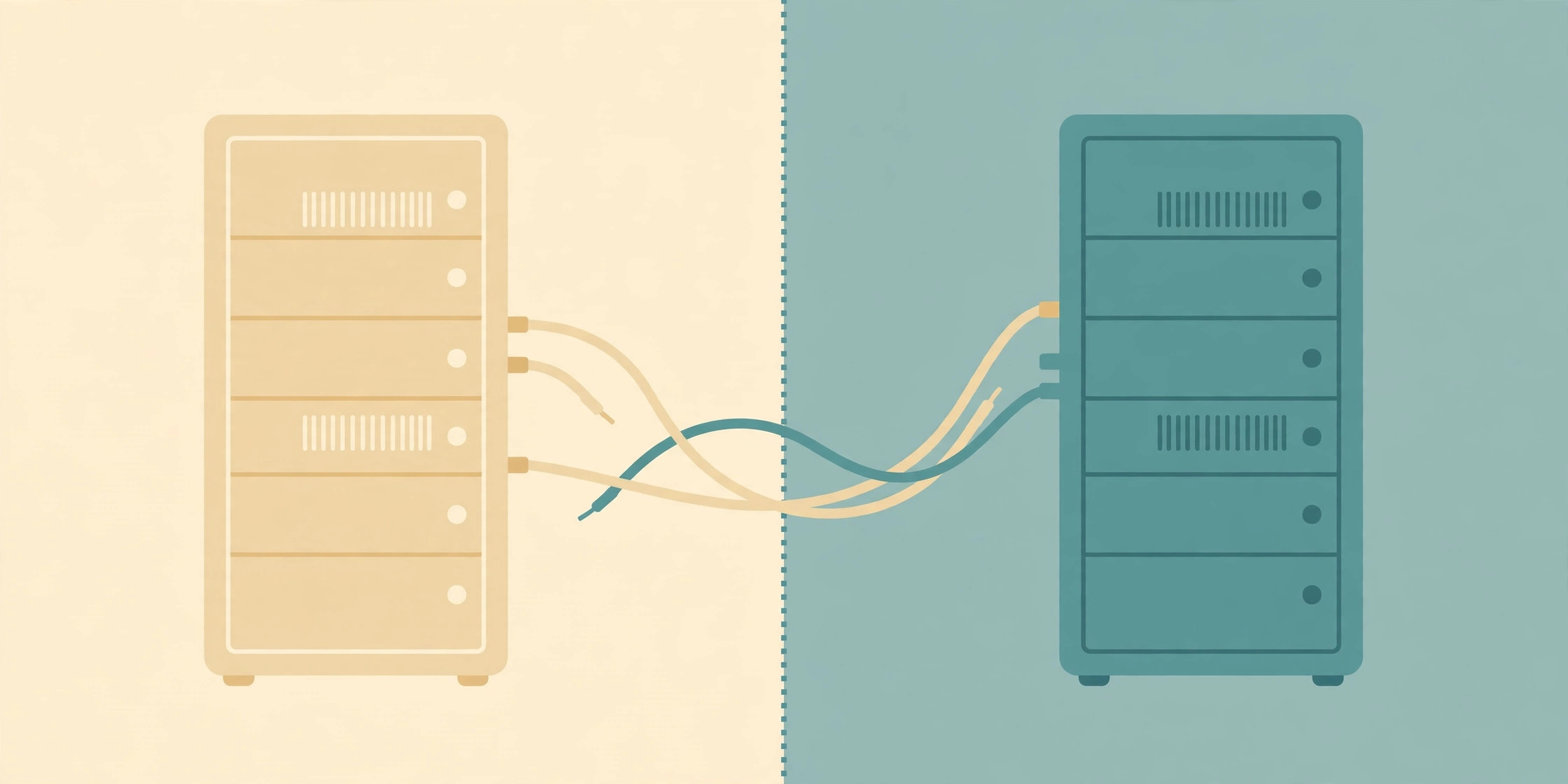
“Replication is broken” is a symptom report, not a diagnosis. Replication in an LS Central estate is a chain, data published at head office, Data Director jobs shipping it, destination databases receiving it, and a break can sit at any link. Troubleshooting is the method that finds the link: reproduce the failure, isolate its scope, bisect the suspect set. This article runs the method on a replication failure end to end.
Definitions, used precisely
- Reproduce, make the failure happen on demand, or establish that it cannot be made to happen and is intermittent. A failure you cannot reproduce cannot be tested against a fix.
- Isolate, shrink the scope: which destinations, which jobs, which data. Every scoping answer eliminates a class of causes.
- Bisect, split the remaining suspect set in half with a single check, discard the clean half, repeat. Three bisections reduce eight suspects to one.
- Verify, after the fix, run the original reproduction and confirm the failure is gone. A fix without the reproduction rerun is a hope, not a repair.
Symptom and impact
Observed: price changes published at head office this morning are present at most stores and missing at two. No error has been reported by store staff, the symptom surfaced as a customer price query. Impact: two stores selling at stale prices until the chain is repaired; no trading stop.
Reproduce
Publish a controlled change, one item, one price, and watch it travel. If the test change also fails to arrive at the same two stores, the failure is live and reproducible, and every later step can be tested against it. If the test change arrives, the morning failure was transient or data-specific, and the investigation changes character: the question becomes what was different about the original batch.
Isolate
Scope the failure on the three axes that matter. Destinations: two stores affected, the rest current, the fault sits downstream of whatever the healthy stores share, or at the two stores themselves. Jobs: read the Job Monitor. A job in error holds back every job behind it with the same job ID or destination; a screen of waiting jobs is usually one failure, not many. Find the first errored job for each affected destination. Data: if one job errors, read its error text, a single malformed record can block a job while the rest of the estate replicates cleanly.
Bisect
With the scope set, two destinations, identified jobs, the suspect set halves at each check:
- Do both affected stores fail on the same job? Yes points at the job or its data; no points at each store’s own path.
- Does the job fail at the source or at the destination? The monitor’s source and destination processing views answer this; source-side failure is a head-office problem, destination-side failure travels to the store.
- If the data is the suspect: release half the held records, or move the first erroring record aside where the tooling allows, and rerun. The half that flows clears itself; the half that blocks contains the fault. Repeat.
Escalation trigger
Escalate when the bisection reaches a component the team cannot inspect or change, a service fault with no readable error detail, or errors that persist on a clean test job after the data has been cleared as a suspect. Send the reproduction steps, the scope findings, and the bisection results; that record is what separates an escalation from a restart of the whole diagnosis at the next tier.
Prevention
The recurring version of this failure is silent lag: data stale for hours before a human notices. The prevention is a standing check with a named owner, a scheduled look at the Job Monitor for errored and held jobs, and an alert threshold on replication age per destination. The method above is for diagnosis; monitoring is what decides whether diagnosis starts in minutes or after a customer finds it.
When the failure will not reproduce
Intermittent replication faults break the method’s first step, and they are where undisciplined troubleshooting burns the most hours, checks run at random against a fault that is not currently happening prove nothing in either direction. The adaptation is to change what “reproduce” means: if the fault cannot be triggered, the work is instrumentation. Record the exact conditions around each occurrence, time, job, destination, data volume, what else the system was doing, and let the pattern across occurrences do the isolating. A fault that only appears during the overnight statement run is scoped by that fact alone. The rule that survives both cases: never declare an intermittent fault fixed because it stopped. Declare it fixed when the identified cause is removed, or monitored with an alert that will catch the recurrence and capture the evidence next time.
, Anders Beck, Support & Troubleshooting Writer